Stop Copying Next Door: How Era, Exposure and Budget Should Decide Your Window Style
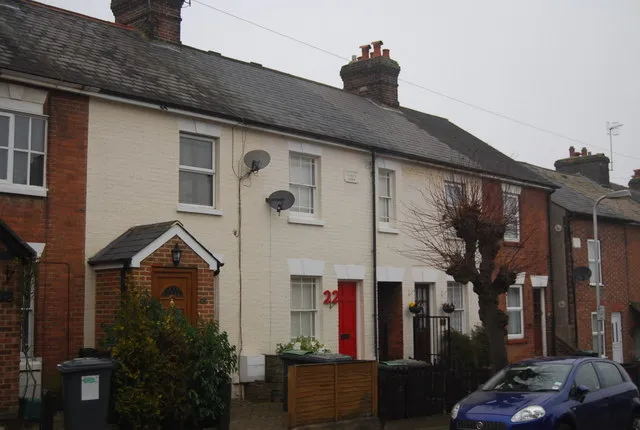
Photo: N Chadwick , CC BY-SA 2.0, via Wikimedia Commons
Window shopping is a strange phrase. Most people don't browse windows for fun, yet the internet is full of advice that treats window style like a fashion choice. One article says sash windows are the only option for period homes. Another insists tilt-and-turn is the modern answer to everything. A third suggests casements are the sensible default for every UK property.
None of those claims survives contact with real housing stock. A Victorian terrace, a 1930s semi, a new-build flat and a coastal bungalow all ask different things of a window. The opening style affects ventilation, cleaning, security, heat loss and how the house looks from the street. Getting the match right matters more than following the trend of the moment.
The one-style-fits-all trap
Windows are a long-term purchase. You'll live with them for decades, clean them, open them, lock them and pay to heat the rooms behind them. Choosing a style because it looks neat on a renovation account is a weak starting point. Choosing one because it suits the era of the house, the exposure of the site and the budget you can realistically maintain is a much stronger one.
That doesn't mean style doesn't matter. It means style should answer to context rather than fashion.
Victorian and Edwardian terraces: character versus practicality
On a Victorian or Edwardian terrace, vertical sliding sash windows often look right because they were designed for tall, narrow openings and formal front elevations. The proportions, the meeting rail and the vertical movement are part of the street's rhythm. Replacing them with chunky casements can make a house look off-key, even if the casements perform well.
But sash windows are not automatically the practical choice. They have more moving parts, more places for draughts to sneak in and a higher maintenance burden if you go for timber. uPVC sash windows can reduce the upkeep, but quality varies. Cleaning upper-floor sashes is more awkward than cleaning casements, and security depends on proper locking and restrictors.
The confident approach is to match the front elevation to the house's character where it matters, then be pragmatic elsewhere. A rear extension or a less visible opening may suit a casement perfectly well. Character is not an all-or-nothing rule.
1930s semis: casements usually earn their keep
A 1930s semi often looks natural with casements, especially top-hung or side-hung styles that suit the proportions of the opening. They are straightforward to ventilate, simple to clean from inside and usually cheaper to maintain than sashes. If the house already has a bay window, the style and sightlines need care, but casements are rarely a bad starting point.
This is where trend-led advice tends to go wrong. Putting sash windows on a 1930s semi because period style is having a moment can look forced. The house was not designed around them, and the practical gains are not automatic. If the existing windows are original and sound, restoration may be the better route. If they are beyond economic repair, a well-specified casement is often the more honest fit.
New-builds: tilt-and-turn is useful, not compulsory
Tilt-and-turn windows have a lot going for them. They open inwards for cleaning, tilt for ventilation and usually have strong multi-point locking. In flats or homes where outside access is awkward, that inward opening is genuinely useful.
But tilt-and-turn is not the universal modern answer. Inward-opening windows can clash with blinds, curtains, radiators and furniture. They also take up room when open. On a new-build estate, ventilation strategy matters as much as the window style, so check how trickle vents, extract fans or mechanical ventilation are meant to work together. A stylish window that fights the ventilation system is not a clever choice.
Coastal homes: exposure changes the shortlist
If you live near the coast, salt, wind-driven rain and gusty weather should be part of the conversation. Hardware quality matters enormously. Stainless steel fittings, marine-grade finishes and well-sealed frames are worth more than a fashionable profile.
Casements often cope well in exposed locations because they have fewer moving parts than sashes and can be specified with robust weather seals. Sash windows can work on period coastal properties, but they need careful specification and more maintenance. Tilt-and-turn can be fine too, provided the drainage and sealing are designed for the site. The wrong answer is to choose a style without asking how it performs when the wind comes off the sea.
The practical tests: ventilation, cleaning, security and energy
Every style has trade-offs. Sash windows offer controlled ventilation and traditional looks, but more maintenance and more draught risk. Casements are simple, secure and easy to live with, but ventilation is usually all-or-nothing unless you add restrictors. Tilt-and-turn gives good ventilation and easy cleaning, but can get in the way of the room.
Energy performance is less about the opening style than the whole specification. Frame material, glazing, spacers, seals and installation all matter. A well-fitted casement will outperform a badly fitted sash every time. Security is similar: multi-point locking, laminated glass where needed and sensible restrictors matter more than the label on the brochure.
A simple decision framework
Start with era and street context. Look at neighbouring properties, but don't copy blindly. Ask which style suits the proportions of your house and whether the front elevation has a character worth respecting.
Next, assess exposure. Is the house sheltered, windy, coastal or overlooked? That will shape your shortlist for weather performance, hardware and maintenance.
Then set a realistic budget, including long-term upkeep. Timber sashes may need more attention than uPVC casements. Aluminium can be durable but costs more upfront. The cheapest quote is not the cheapest window if it needs constant attention.
Finally, think about daily life. Who cleans the upstairs windows? Do you need controlled ventilation in a bathroom or bedroom? Are there blinds, radiators or furniture in the way? A window that suits the house but annoys you every day is still a bad match.
Compare like-for-like, not like-the-photos
When you request quotes, ask for the same glazing performance, frame material, ventilation, security fittings and installation details across every option. Compare guarantees, not just prices. A confident buying decision is not about picking the trendiest style. It's about choosing the window that suits your era, your exposure and your budget, then checking that the specification actually delivers it.
That is a far better guide than whatever the house next door has just installed.