The Dressings Decide: Picking Windows Around the Blinds You'll Actually Hang

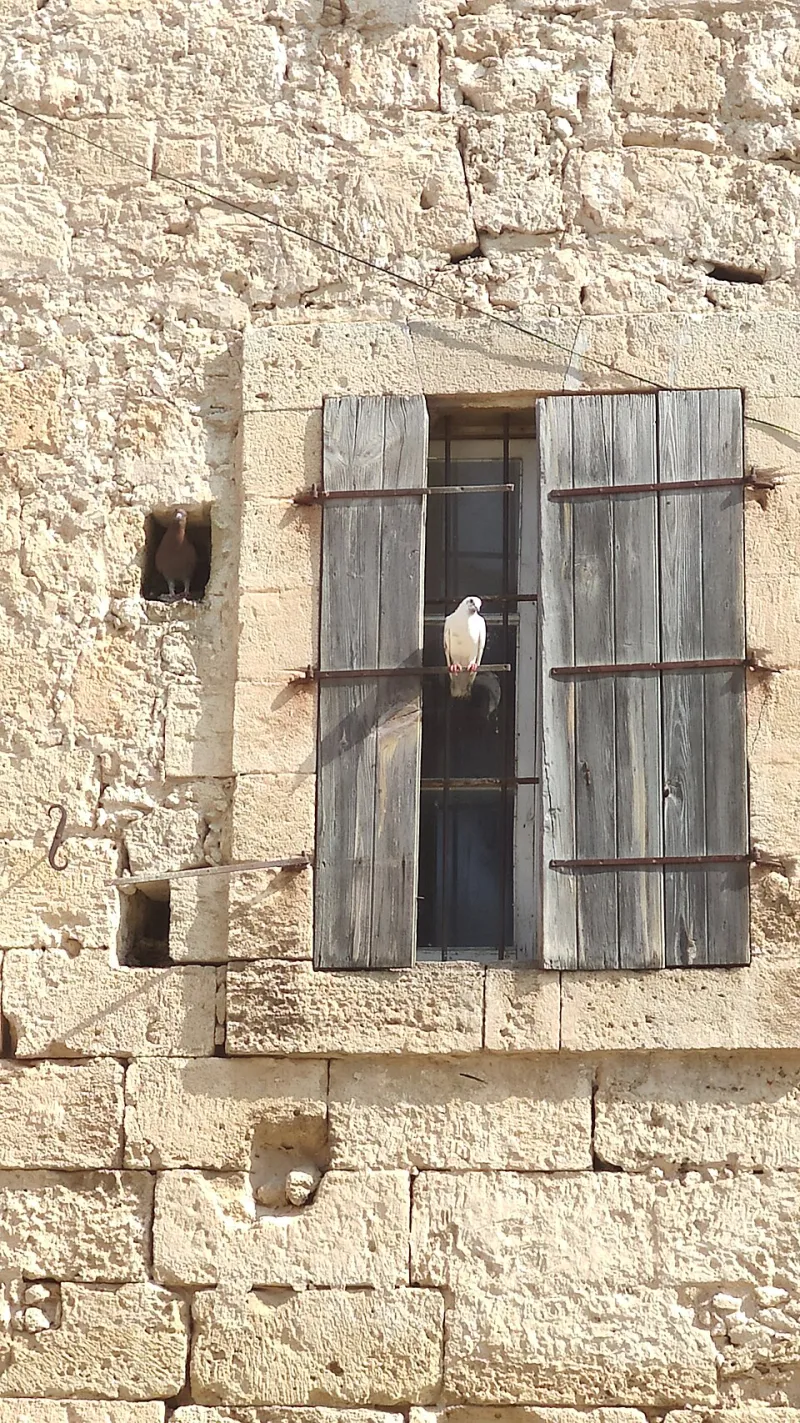
Photo: Dave Roberts , CC BY-SA 2.0, via Wikimedia Commons
You can spend weeks comparing glass, frames and guarantees, then ruin the lot with a curtain pole. It sounds dramatic, but the window and the things you hang around it are a package deal. The frame sets the depth, the handles set the clearance, and the opening direction sets what can live near the glass. Get those wrong and the money you saved on the window tends to reappear on the dressing side — in made-to-measure blinds, a wider curtain track, bespoke shutter boxes or a joiner's bill for moving a cill board.
If you're comparing quotes in 2026, it's worth treating dressings as part of the window specification rather than something you'll sort out after the fitters have gone.
The reveal is the first thing your blinds will meet
The reveal is the bit of wall between the room face and the window frame — the little tunnel your window sits in. Old solid-walled houses often have deep reveals; newer homes can be much shallower. That depth decides whether a blind can sit neatly inside the recess or has to be fixed to the face of the wall.
An inside-recess blind needs room for its brackets and for the fabric or slats to operate without rubbing. Roman blinds need headroom above the glass. Shutters need frame depth and a reasonably square reveal. If the new window sits further forward than the old one, or the reveal is tight, you may be pushed towards an outside mount. That's not a disaster, but it changes the look and can add cost — especially with made-to-measure products priced by width and panel count.
Curtain tracks have the same problem in reverse. A ceiling-fixed track can sit inside a deep reveal; a wall-fixed pole may need to come forward, eating into the room. If there's a radiator under the window, a forward pole can leave curtains hanging over the heat, which is a poor use of both fabric and energy.
Handles are small, annoying and weirdly expensive
Window handles are the bit everyone forgets until a curtain snags on one. The projection — how far the handle sticks out from the frame — matters more than the style. Chunky espagnolette handles, tilt-and-turn levers and locking catches can all interfere with blinds, shutters and full-height curtains.
Ask for the handle projection in millimetres, not just a photo of the frame. Then think about the dressing: will a Roman blind drop clear? Will a shutter panel close past the handle? Will curtains slide past without catching? A slim frame with a proud handle can be a false economy if it forces you to shorten curtains or fit a wider track to clear the obstruction.
Handle height matters too. A low handle can be hidden by a sofa; a high one can foul a blind headrail. If the room needs blackout, check that the dressing can overlap the frame without the handle pushing fabric out of line.
Which way does it open — and what does that do to the wall?
Inward-opening windows are the quiet enemy of curtain poles. A tilt-and-turn sash that swings into the room can clash with a pole, a shutter frame or the stack of fabric at the side. Outward-opening casements keep the room clear, but they can limit what you do outside — and some shutter systems need the window to open inwards for access.
In a bay window, the angles make it worse. Opening sashes on the angled sections can swing towards blinds or furniture. If you want shutters on a bay, the frame depth and the opening direction need to be considered together, not bought as separate decisions. A cheaper window that opens into the room may be perfectly fine — until you add shutters and discover the panels can't operate past the handle.
Shutters, flush fitting and the depth game
Plantation shutters look simple: a frame, some panels, a tilt rod. In practice they are a depth-and-squareness test. A flush-fitting shutter needs enough reveal depth to house the frame without sitting proud into the room. Tier-on-tier shutters need more. Café-style half-height shutters need less, but still need a fixing surface.
If the reveal is shallow, the shutter may have to sit on the face of the wall. That can look deliberate and smart, but it may need a return or a boxed pelmet to finish the edges, and it can affect how curtains hang. Made-to-measure shutters are priced by panel and shape, so an awkward reveal can mean more panels or a wider frame — the kind of detail that doesn't show up in a window quote.
Integral blinds — the ones sealed inside the double-glazed unit — sidestep the dust-and-clearance problem. They're not right for every room, and they narrow your choice of glass and frame, but they're worth asking about if the window is in a bathroom, a kitchen or anywhere a hanging blind would be a fiddle.
The cheap frame that quietly costs more
A lower frame price is not the same as a lower project price. A shallower frame, a different opening direction or a chunkier handle can push you into face-fix blinds, a wider curtain track, bespoke shutters or curtains that stop short of the floor. None of those are outrageous on their own. Together they can wipe out the saving.
There's a comfort argument too. Dressings work best when they can overlap the frame and sit close to the glass. If the window design forces them to hang forward, you get more draught-prone gaps and less benefit from the fabric. That doesn't mean every window must be chosen around a curtain; it means the two decisions should be made in the same conversation.
A pre-quote checklist for dressing-friendly windows
Before you sign anything, walk each room and note:
- What will hang here? Curtains, Roman blinds, roller blinds, venetian blinds, shutters, or nothing. Be honest about blackout needs.
- Measure the reveal depth at several points from the room face to the window frame. Note the shallowest point.
- Check the cill — projection, condition and whether you're keeping the board.
- Ask for handle projection and the opening direction in writing, ideally on a technical drawing.
- Decide inside or outside mount for blinds before the survey, not after.
- For shutters, ask about frame depth and reveal squareness. A fitter who shrugs at this is a warning sign.
- Note radiators, furniture and walkways that limit curtain stack-back or shutter swing.
- Ask how the new frame will sit relative to the plaster line. A few millimetres can change the fixing method.
- Price the dressings alongside the windows. A made-to-measure blind quote is part of the comparison.
- Check trickle vents and headrails — they can compete for the same few centimetres.
- Keep the paperwork together. If a guarantee question arises later, you'll want the window spec and the dressing spec side by side.
The best window for a room isn't always the cheapest frame or the slimmest sightline. It's the one that leaves sensible space for the things you actually hang around it. Start with the dressings, then choose the frame — and the quote you sign will be closer to the bill you pay.