The Part You Never See: Comparing Double-Glazing Units Without Getting Lost in the Glass
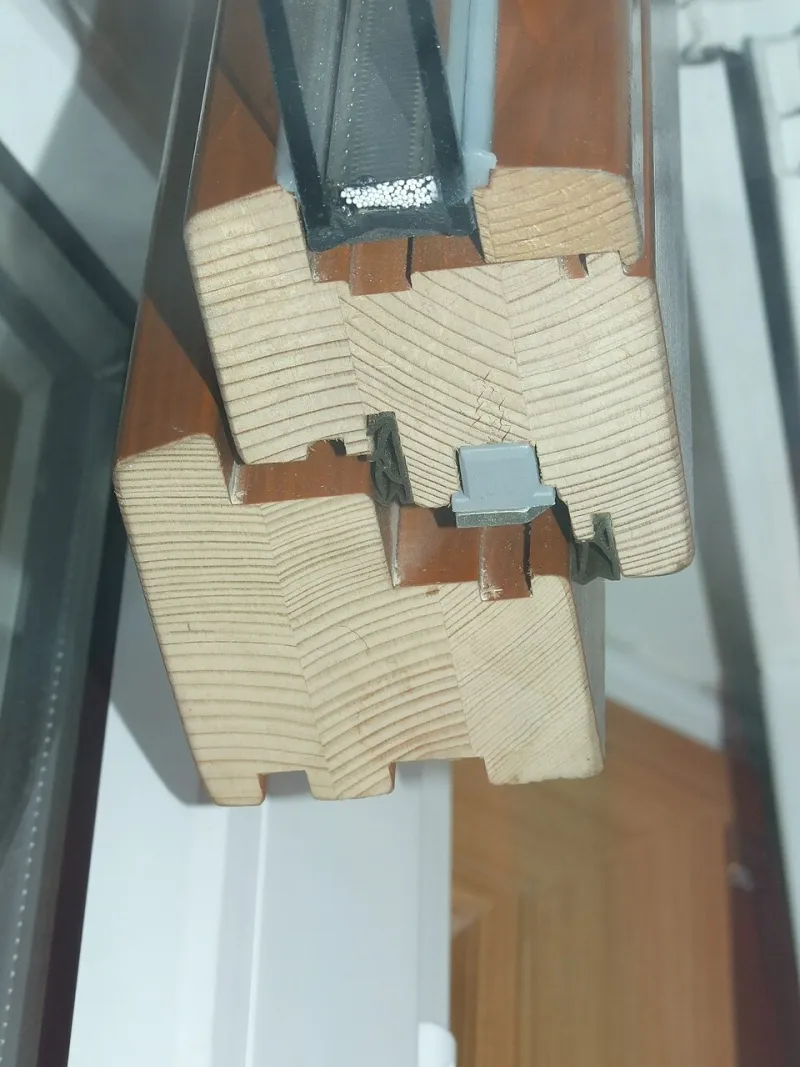
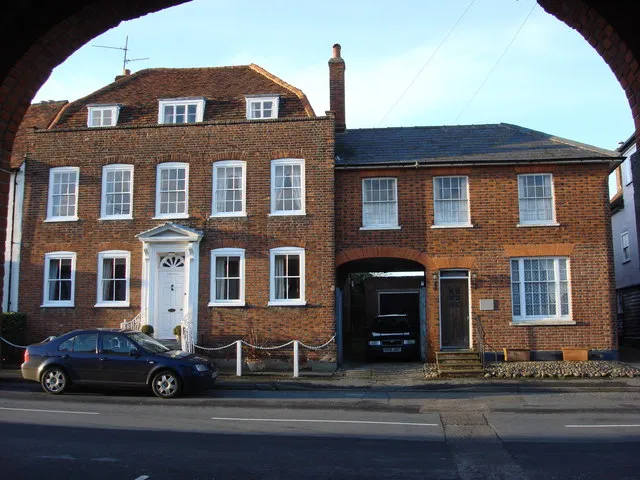
Photo: Kozuch, CC BY-SA 3.0, via Wikimedia Commons
When you stand in a showroom, your eyes go to the frame. The colour, the handle, the chunkiness of the profile. That is natural. It is the bit you touch. But the part doing most of the quiet work is the sealed glass unit itself — a sandwich of panes, coatings, spacers and gas that you never really see once it is fitted.
Most quotes say double glazed as if that settles the matter. It does not. Two units can look identical from the outside and behave very differently on a cold morning. So here is a plain-English tour of what is actually inside, and what is worth asking about before you commit.
Start with the sandwich, not the frame
A standard sealed unit is two panes of glass held apart by a spacer bar, sealed around the edge, with either air or a gas in the gap. The gap is usually somewhere between 12mm and 20mm on a typical UK unit. Bigger is not automatically better — past a certain width the gas starts to circulate and performance drops — so the number should come from the supplier's specification, not from a hunch.
The unit also has a stated thickness. A common setup is 4mm glass, a 16mm cavity and 4mm glass, often written as 4-16-4. Thicker glass helps with noise and strength, especially on larger panes or in exposed spots. None of this is glamorous, but it is the foundation. If a quote just says double glazed and nothing else, you are being asked to trust a label rather than a specification.
Low-e coatings: the invisible duvet
Low-emissivity coatings are microscopic layers on the glass that reflect heat back into the room. They are why modern double glazing outperforms the old units many of us grew up with. There are two broad types. Hard-coat low-e is applied while the glass is being made and is tough. Soft-coat low-e is applied in a separate process and generally performs better, but it needs protecting inside a sealed unit.
Where the coating sits matters too. Units are described by surface numbers, and the coating might be on surface two or surface three. You do not need to memorise the diagram. You do need the supplier to tell you which coating they are using and what whole-window U-value it achieves. A glass-only U-value can sound impressive, but the whole window includes the frame and the edge. That is the figure that matters for your home.
Gas fills: argon, krypton and the sales patter
Most decent UK units are filled with argon rather than air. Argon is cheap, safe and slows heat transfer through the gap. Krypton performs better in narrower cavities, which is useful if you want slim frames or are working with a heritage property where bulky profiles are not an option. It costs more, so it should earn its keep.
What you want to avoid is paying a premium for a gas name without seeing the benefit in the U-value. Ask what gas is used, and ask for the whole-window U-value with that gas. If the difference between argon and krypton is tiny, the upgrade may not be worth it. If the cavity is narrow and the performance gap is real, it might be. Also remember that gas is only as good as the seal around it. A well-made unit should keep it in for years, but seals are the weak point in any sealed unit.
Warm-edge spacers: the cold bridge at the edge
The spacer bar is the metal or composite strip that separates the panes around the perimeter. Older aluminium spacers conduct cold quickly, which is why old units often show condensation around the edges first. Warm-edge spacers use less conductive materials — often a composite or a thin stainless steel — to reduce that edge heat loss.
This is one of the most underrated parts of the unit. The edge is where sealed units tend to fail, and it is where cold bridges show up as misting or damp patches on winter mornings. Ask what spacer the supplier uses. Warm edge has become a bit of a marketing phrase, so it is fair to ask for the specific type or standard. A good unit should be certified to BS EN 1279, which covers the whole sealed unit rather than just the glass.
The seal, the warranty and the bit nobody mentions
A sealed unit is only sealed until it is not. When the edge seal fails, moisture gets in and you get misting between the panes. That is not a cleaning problem. It is a replacement job. So the warranty matters. Ask how long the sealed unit is covered, and whether that includes gas retention, coating failure and misting. Five years is common; ten is better. Check whether the warranty is from the manufacturer or the installer, and what you need to do to keep it valid.
Also ask how the unit will be replaced if it fails. Some companies make it straightforward. Others treat it as a new order. It is worth knowing before you sign, not after.
What to ask before you sign
You do not need to become a glazing expert. You just need a short list of questions that separate a proper specification from a vague promise. Ask for the whole-window U-value, not just the glass. Ask which low-e coating is used and where it sits. Ask what gas fills the cavity and what the cavity width is. Ask what spacer bar is used. Ask for the sealed unit warranty in writing. If the answers are clear, that is a good sign. If they are fuzzy, keep asking.
Where upgrades make sense — and where they do not
Better glass is not always the right spend. If your main problem is noise, the unit specification needs to address acoustics, not just warmth. If you live in a conservation area or a period property, slim units and heritage profiles may matter more than exotic gas fills. If your windows are already decent and the frames are sound, replacing the whole window to gain a marginal glass upgrade may not add up.
The sensible approach is to compare quotes on the same set of numbers. Whole-window U-value, spacer type, gas fill, warranty and installation details. That way you are comparing the sandwich, not just the wrapper.
The sealed unit is the least photogenic part of a window. It is also where comfort lives. Get it specified properly and you will spend less time thinking about condensation and more time enjoying the room.