The Last Ten Percent: Comparing the Window Finishes You'll Actually Touch

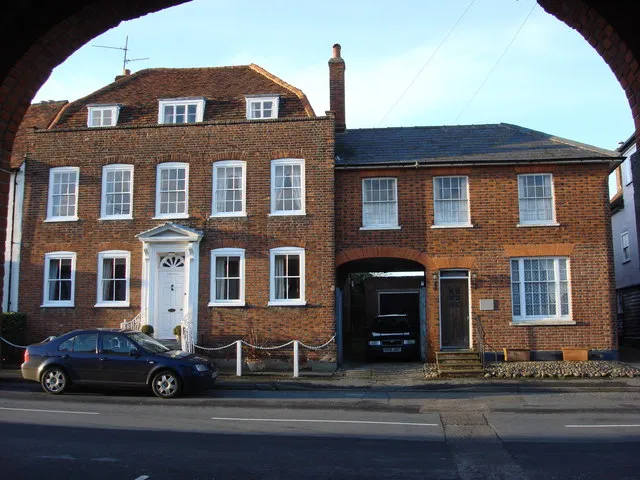
Photo: Photograph by Mike Peel (www.mikepeel.net)., CC BY-SA 4.0, via Wikimedia Commons
Most window conversations start with the headline acts: frame material, glass, U-values, colour. Fair enough. But once the fitters have gone and the dust settles, the parts you touch, clean and notice every day are the edges. The reveal, the trim and the sill are where a neat installation either comes together or starts to niggle. They are also where quotes can differ wildly without anyone mentioning it.
Where the money quietly hides
Finishes are easy to leave vague. One company's making good included can mean a tidy bead of sealant; another's can mean plaster skim, new window boards and an external sill with a proper drip. Neither is automatically wrong, but they are not the same job at the same price. Comparing frames alone is a bit like comparing cars by engine size and forgetting to ask whether the seats are included.
Reveals: the picture frame around the glass
An internal reveal is the strip of wall between the window frame and the room-facing plaster. In a Victorian solid-wall home it can be deep; in a modern cavity-wall house it may be shallow. New windows rarely sit at exactly the same depth as the old ones, so the reveal may need lining with plasterboard, patching or skimming. Ask whether the quote covers the full reveal or only a narrow strip beside the frame. Deep reveals can need returns and corner beads, and if the old plaster is blown or the original frame sat further back, expect more work. This is not glamorous stuff, but it is the difference between a window that looks fitted and one that looks dropped in.
Trims: small profile, long relationship
Trims cover the join between frame and wall. Choices include uPVC architrave, MDF, timber, or a plastered return with no trim at all. Each has a different look and maintenance story. uPVC is wipe-clean but can look chunky and may discolour over time. MDF paints well but does not love damp. Timber can echo period skirting but needs painting. Width and profile matter too: a narrow chamfer can look sharp, while a wide ogee can feel fussy in a small room. If your quote says trims included, ask what material, what width and whether they will be pinned, filled and caulked. Also check whether they will sit happily next to existing architraves or skirting, or at least not fight with them.
Sills: inside and out do different jobs
Internal sills, often called window boards, take the knocks: plants, keys, cups of tea, the occasional toy. They can be uPVC, MDF, timber, composite or stone. External sills shed water and need a fall away from the wall, a drip groove or overhang, and sealed joints. A cheap external sill that traps water is a false economy. Bay windows and dormers add complexity, and access can change the price. Ask whether the external sill is included, whether the old one is removed and made good, and whether the new one suits the exposure. If scaffolding is needed to fit an external sill, that cost should be in the quote, not a surprise later.
The making-good allowance
Making good is the catch-all phrase. It can cover plaster repairs, render, brickwork, sealing, replacing tiles, refitting blinds and curtain tracks. It rarely covers everything. Common exclusions include damaged lintels, cracked render, tiling, decorating, moving alarm sensors or radiators, and rehanging blinds. Ask each company to state what is excluded in writing and put a number on allowances: metres of plaster, number of reveals, or a fixed sum. We will make it good is not a specification. A finish schedule with quantities is.
Questions to ask before you sign
- Which rooms include full reveal lining or plaster skim, and which only include patching?
- What trim material, profile and width is included, and is it painted, primed or left bare?
- Are internal window boards included, and what material are they?
- Is the external sill replaced? Does the price include access, disposal and sealing?
- How much making good is allowed, in metres or pounds?
- Are tiles, blinds, curtain tracks and alarm sensors included in the refit?
- Who fills, caulks and decorates? Is decorating excluded?
- What happens if old plaster, render or a lintel is damaged during removal?
- Can you show me a photo of a similar finish in a comparable property?
How to compare the final ten percent
Make a one-page finish schedule before you compare prices. List each room, then the reveal treatment, trim, internal sill, external sill and making-good allowance. Add a column for who decorates afterwards. Ask for photos of similar jobs, not just glossy showroom shots. Compare the total, not the headline. A slightly higher quote that includes plastering and sills can easily beat a cheaper one with a large allowance waiting in the small print. And if one company cannot explain its finish standard clearly, that tells you something too.
At Clearvue Windows, we think a good quote should be readable at the edges as well as the centre. Frames and glass get the specifications, but reveals, trims and sills get the daily use. Get those into the comparison and the neat finish you pictured is far more likely to be the one you get.