The Window Within a Window: When Secondary Glazing Is the Smarter Buy
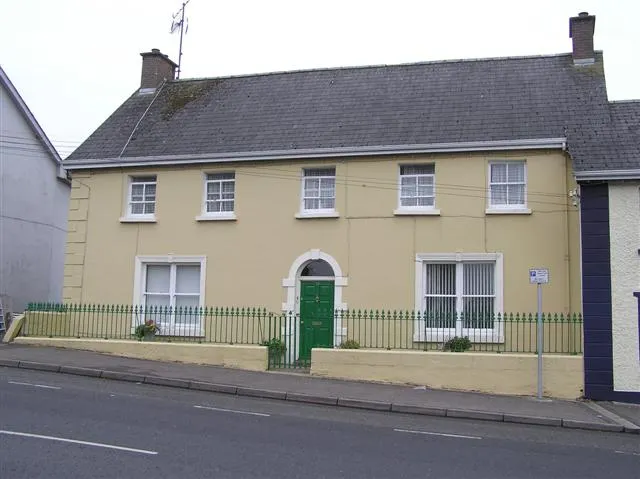
Photo: Kenneth Allen, CC BY-SA 2.0, via Wikimedia Commons
If you live in a period home, the window conversation often starts with a quote that makes you sit down. A full replacement of original sash windows can be a major spend, especially once making good, decoration and any consent work are added. That is where secondary glazing gets interesting. It is not a magic fix, and it is not right for every property, but in the right setting a second window can be a genuinely smart shortcut.
What secondary glazing actually is
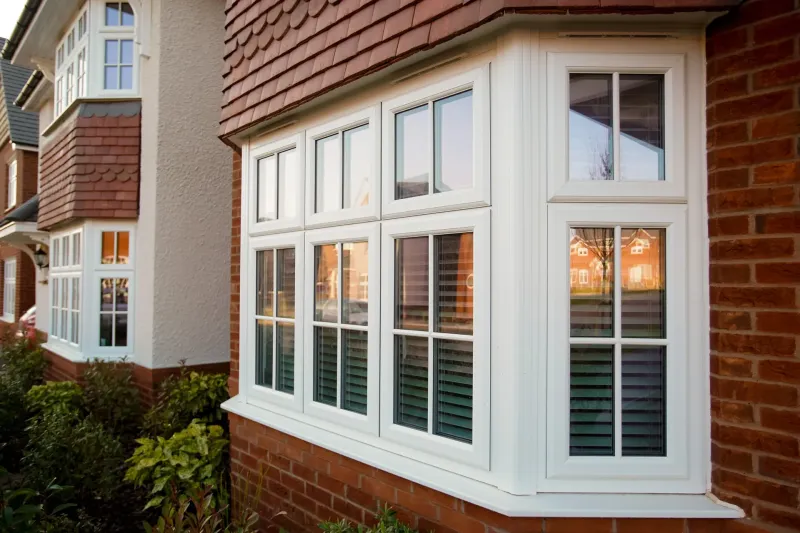
Secondary glazing is an independent window fitted inside the existing reveal, usually behind your current window. It often has slim aluminium frames, opening sections for ventilation and cleaning, and glass chosen for acoustic or thermal performance. It is not the same as double glazing. You are not replacing the original window; you are adding a layer. That distinction matters for cost, character, planning and long-term maintenance.
The upfront-cost conversation
On a like-for-like window count, secondary glazing usually costs less than full replacement. You are not paying for new frames, structural alterations, making good or disposal of the old units. Installation is often quicker and less messy, which matters if you have decoration you would rather not disturb. But the comparison only works if your existing windows are sound. If the frames are rotten, the sashes are dropping or the glass is cracked, spending on secondary glazing can be money down the drain. Fix the base window first, or replace it.
Energy performance: real gains, sensible expectations
A second window creates another air gap and can cut draughts, especially when it is properly sealed and draught-proofed. Add low-e glass and the improvement can be noticeable. What it will not do is turn a poorly performing single-glazed sash into a top-rated modern double-glazed unit. If your goal is the lowest possible U-value, full replacement usually wins. If your goal is a meaningful improvement without losing original fabric, secondary glazing can be a strong compromise. Do not ignore the rest of the equation either: draughts around skirting, curtains, vents and gaps in the original frame all affect comfort.
Noise: where secondary glazing often shines
For homes on busy roads or near rail lines, secondary glazing can be excellent value. A generous gap between the original glass and the new pane, combined with staggered opening sections, can take the edge off traffic noise in a way that surprises people. Full replacement can also deliver good acoustic performance, but in a period property you may be paying to remove character at the same time. If noise is your main complaint, ask for acoustic test data rather than accepting a vague promise of quiet.
Condensation and ventilation
Two windows mean two places for condensation to form. Moist air meeting a cold inner pane can leave water on the secondary glazing, particularly in kitchens and bathrooms. That is not automatically a defect, but it needs managing. Keep vents clear, allow some ventilation and avoid sealing the room so tightly that moisture has nowhere to go. If the original window is already damp or rotten, trapping more moisture behind a second window is a bad idea. Breathability and repair come first.
Planning and listed buildings
This is where secondary glazing earns its keep in many period properties. Listed building consent and conservation area rules can make replacement complicated, and original windows are often a big part of what makes a building special. Secondary glazing is usually more acceptable because it is reversible and less visually intrusive, but it is not automatically consent-free. Check with your local conservation officer before ordering. Article 4 directions can also catch you out. A polite conversation early on is cheaper than an enforcement letter later.
Long-term maintenance
You will have two sets of glass to clean and, eventually, two sets of mechanisms to maintain. Secondary units need their hinges, seals and sliding sections kept in order. The upside is that your original windows stay in place, which matters for character and, in some cases, value. Full replacement gives you fewer cleaning surfaces and lower routine maintenance, but it can be a one-way door. Once original frames are gone, they are gone.
A simple decision framework
Secondary glazing is often the smarter buy when the original windows are structurally sound, the property is listed or in a conservation area, noise is a priority, the budget will not stretch to good-quality replacement, and you want a reversible improvement. Full replacement is usually the better call when frames are rotten, heat loss is severe, you want the lowest maintenance option, or you need modern opening sizes and egress. A hybrid approach also works: repair and draught-proof the original window, then add secondary glazing where noise or heat loss is worst.
The Clearvue take
Do not compare a secondary glazing quote with a replacement quote as if they are the same product. Ask what each includes, what performance it promises and what happens in ten years. The cheaper option is only cheaper if it suits the building. In the right period home, a window within a window is not a compromise; it is a considered shortcut.