The Material Question: Which Window Frame Deserves Your Money?
Photo: Cavaliere grande, CC BY-SA 4.0, via Wikimedia Commons
Before you lose an afternoon comparing casement, sash, flush and tilt-and-turn styles, start one level up: the frame material. It sets the budget, the maintenance schedule, the lifespan and whether the window looks at home in your street. Here is a straight-talking face-off of the four main options for UK homes, with no jargon and no pretending that one material wins everywhere.
The quick verdict
- uPVC: the value pick. Low maintenance, decent thermal performance, widest choice of styles. Watch cheap frames and clumsy detailing.
- Aluminium: the sleek pick. Slim sightlines, strong, long-lasting. Needs a thermal break and a sensible budget.
- Timber: the character pick. Beautiful in period homes, repairable, breathable. Expect painting and higher costs.
- Composite: the middle-ground pick. Timber looks with lower maintenance, but quality varies. Ask what is underneath the skin.
uPVC: the practical all-rounder
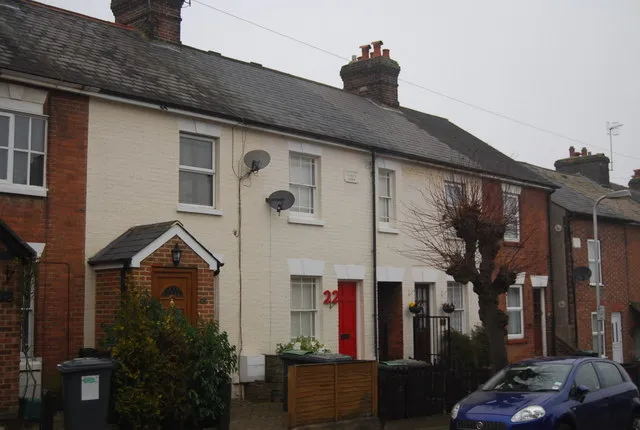
uPVC is the default for a reason. It is usually the cheapest way to get double or triple glazing, it does not need painting, and modern profiles can mimic woodgrain or flush casements much better than the shiny white boxes of the 1990s. A decent uPVC window should last around 20–35 years. Thermal performance can be very good if the frame is multi-chambered, reinforced properly and paired with a warm-edge sealed unit. Kerb appeal is the weak spot: standard white uPVC can look out of place on a Victorian terrace or a conservation-area cottage. Foiled finishes and heritage-style profiles help, but they cost more. For 1930s semis, modern estates and rental properties, uPVC is often the sensible shortlist entry.
Aluminium: the slimline operator
Aluminium is strong, so frames can be much slimmer than uPVC. That means more glass and a cleaner look, which is why it suits contemporary extensions, large openings and modern new builds. It also holds powder-coated colours well and can last 30–40 years or more. The catch is thermal performance: aluminium conducts heat, so a thermal break is essential. Without it, you can end up with a cold frame and condensation. Quality aluminium systems handle this well, but they cost more than basic uPVC. On a period property, a chunky aluminium frame can look out of place; on a glassy modern kitchen, it often looks spot on. Coastal homes should ask for marine-grade powder coating and stainless-steel hardware.
Timber: the period-perfect option
Timber is the material most likely to make a period home look right. It suits sash windows, flush casements and conservation areas, and it can be repaired rather than replaced. Engineered timber is more stable than basic softwood, and a well-maintained timber window can last 30–60 years. The trade-off is maintenance: expect repainting every few years, and deal with any soft spots early. Timber can be thermally respectable, especially with modern draught-proofing and double glazing, but the frame needs a good joiner to fit it properly. If you live in a listed building or a conservation area, timber may not just be the nicest option—it may be the one planning will accept.
Composite: the hybrid wildcard
Composite is a broad term. Some composite windows are uPVC cores with a foil or aluminium skin; others are timber-aluminium hybrids. The appeal is a timber-like look with less painting, or a tougher skin with better weather resistance. Lifespan is often quoted at 25–40 years, and maintenance is usually low. Thermal performance depends entirely on the construction, so ask for a whole-window U-value rather than a material promise. Composite can be a smart choice for homeowners who want period character without ongoing joinery bills, but it is not automatically better than good uPVC or timber. Check the warranty, the core material and whether the finish is painted, foiled or powder-coated.
Match the material to the house
- Victorian or Edwardian terrace: timber sash or a good composite sash; aluminium only if the interior is deliberately modern.
- 1930s semi: uPVC or composite casements can work well; aluminium suits a contemporary extension.
- New build: uPVC for value, aluminium for slim sightlines and larger glazing.
- Conservation area or listed building: timber is often the safest route; check with the local planning authority before ordering.
- Coastal property: uPVC, composite or marine-grade aluminium; avoid untreated timber and cheap hardware.
- Bungalow or low-rise: any material can work, but keep sightlines and security in mind.
Compare quotes like for like
Once you have two materials on your shortlist, compare the details that actually change performance and lifespan: whole-window U-value, glazing specification, frame reinforcement, hardware, security certification such as PAS 24, installation method, and warranty length. A cheap quote with vague glass and a short installation guarantee is not a bargain. A mid-range uPVC window fitted beautifully will usually beat a premium aluminium window fitted badly.
The final call
Choose the material before you fall in love with a style. If budget and low fuss are king, start with uPVC. If you want slim frames and a modern look, look at aluminium with a thermal break. If character and planning rules matter, timber is hard to beat. If you want the timber look without the painting, composite is worth a look—but ask what is actually inside. Get two or three like-for-like quotes, then compare the numbers and the fitters, not just the brochure.