Sound Check: Why Noise Deserves a Place in Your Window Comparison
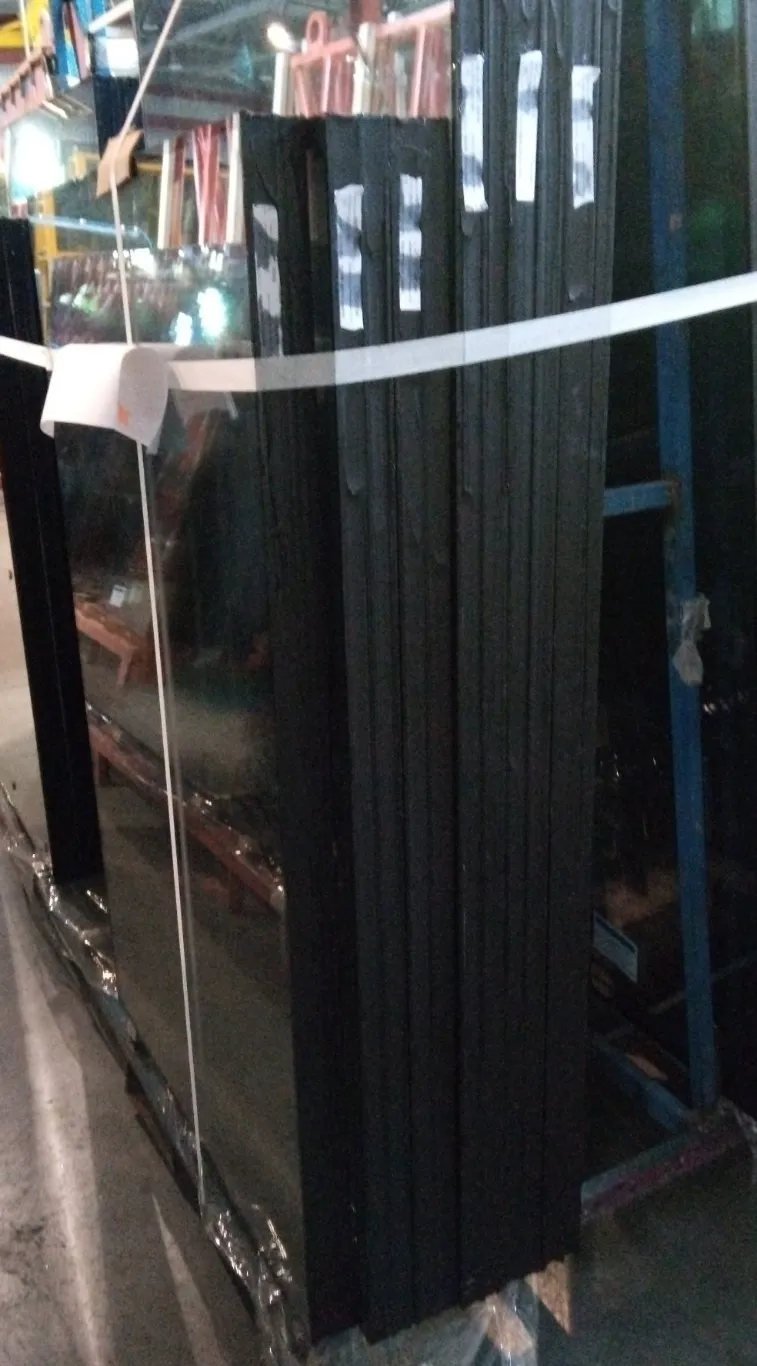
Photo: Usik64, CC BY-SA 4.0, via Wikimedia Commons
Most UK window comparisons begin with a U-value and stop there. That makes sense if your main worry is heat escaping and bills creeping up. But if you live beside a busy A-road, under a flight path, near a railway line or on a town-centre street where the 6am bin lorry is a daily event, there is another number worth asking about: acoustic performance. It is the comparison many homeowners forget, and it can change which window you should buy.
U-values tell you about heat, not noise
A U-value measures how quickly heat passes through a window. A low U-value is good for warmth and bills. It says almost nothing about how a window handles sound. You can buy a thermally excellent window that still lets traffic drone through, because sound and heat behave differently. Heat is largely about insulation and airtightness; sound is about mass, damping, seals and how the whole window is put together.
What Rw actually means
Rw is the weighted sound reduction index. It is a single-number rating for airborne sound reduction, measured in decibels. Higher is better. As a rough guide, standard double glazing might land around 30–35 dB Rw, while an acoustic laminated unit can reach the high 30s or low 40s. But do not treat it as a simple score. Rw is weighted across frequencies, and traffic noise has a lot of low-frequency energy. Ask for Rw + Ctr if road traffic is your main problem; it gives a more realistic picture for that kind of noise. For aircraft, the frequency profile is different again.
Glass make-up matters more than you think
Acoustic laminated glass is not the same as ordinary laminated glass. Both have a plastic interlayer, but acoustic grades are designed to damp vibration. A common upgrade is an asymmetric double-glazed unit—two different glass thicknesses—which helps avoid the coincidence dip where certain frequencies pass through more easily. Sometimes a well-specified double-glazed acoustic unit will outperform a standard triple-glazed window. Triple glazing adds mass, which can help, but it is not a magic acoustic bullet. Cavity width, spacer type and glazing seals all play a part.
Frames and installation are the weak links
Frame material can influence acoustics, but installation often decides the result. A brilliant sealed unit fitted with gaps around the frame will leak sound. uPVC frames are common and can perform well when specified properly. Aluminium is strong and slim, but it conducts vibration unless it has a proper thermal break; the frame design and gaskets matter. Timber has useful mass and suits period properties, but seals and maintenance are key. Composite frames vary enormously, so ask what is inside rather than trusting the label. The frame-to-wall junction needs foam, sealant and careful finishing. Trickle vents are a particular weak point: they are needed for ventilation, but standard vents can let noise in. Acoustic vents exist, so ask how they affect the rating.
Practical questions for fitters
On a noisy street, do not just ask for 'the quietest window'. Ask for evidence and detail:
- What is the tested Rw of the complete window, not just the glass?
- Can you show me the test certificate to BS EN ISO 717-1?
- What is the Rw + Ctr figure for traffic noise?
- Which glass make-up do you recommend for my noise source—road, rail or aircraft?
- How will you seal the frame to the wall, and what happens at reveals and gaps?
- Do I need acoustic trickle vents, and how much performance do they cost?
- Would secondary glazing be a better fit, especially in a listed or conservation-area property?
- What warranty do you offer on installation as well as the units?
The bottom line
Energy ratings still matter; nobody wants a warm but noisy home or a quiet but freezing one. The point is to compare on both fronts. If noise is a real issue, put acoustic performance beside U-values on your shortlist, ask for numbers rather than adjectives, and choose a fitter who talks about seals and reveals as readily as glass. That is how you end up with a window that keeps the heat in and the road out.