The Other Half of the Energy Equation: Comparing Windows for Summer Comfort

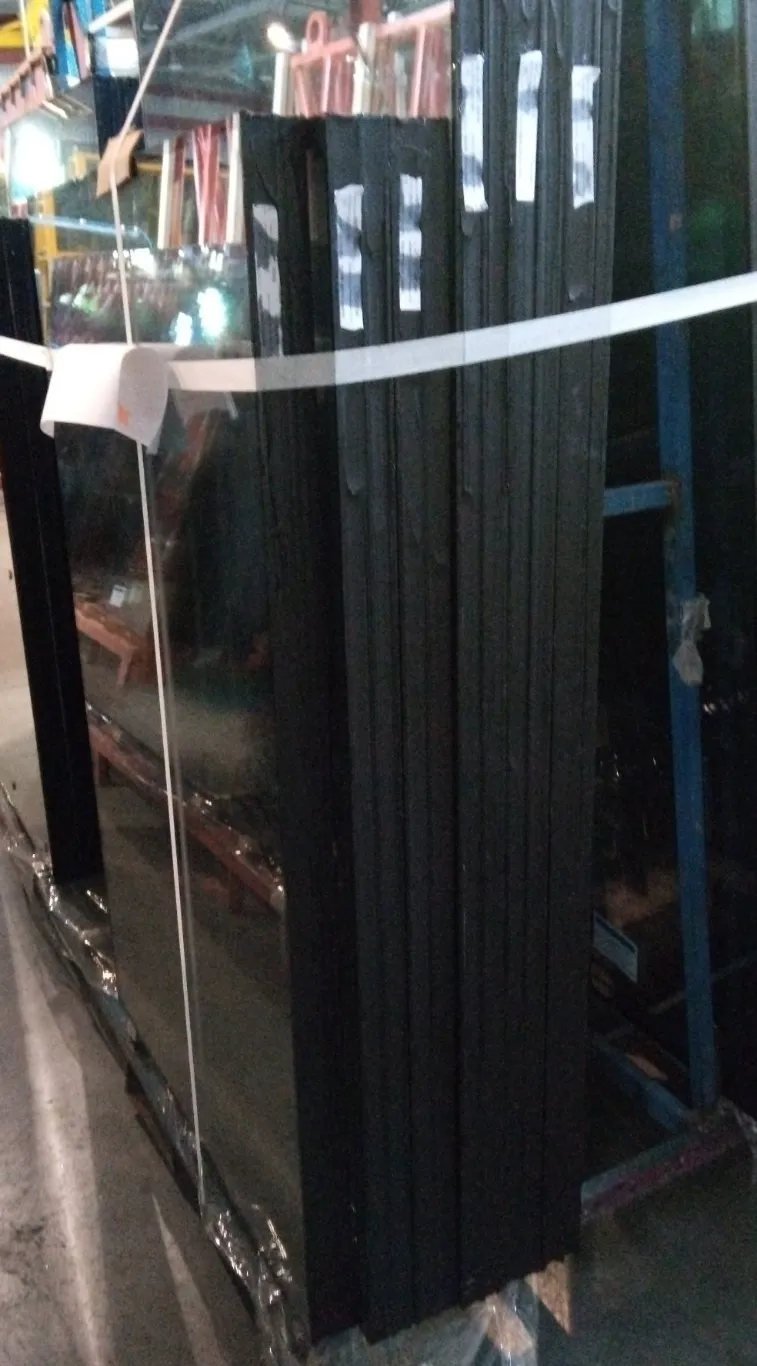
Photo: Lombroso, CC0, via Wikimedia Commons
For years, the UK window conversation has been a winter one. U-values, heat loss, draughts, condensation, the January bill. All of that matters. But a window that keeps heat in beautifully can also let too much heat in when the sun is doing its thing in July. If your shortlist only has a winter column, you are comparing half the story.
In 2026, with UK summers swinging between damp and genuinely hot, summer comfort deserves a place on the comparison sheet. Not as a luxury add-on, but as a basic performance question: will this window make the room comfortable in February and in August?
Why winter thinking can backfire
A window with a very low U-value is good at slowing heat transfer. That is excellent news in winter. But U-value does not tell you how much solar energy passes through the glass. That is a different number, and it is the one that decides whether your south-facing living room feels pleasantly warm or like the inside of a greenhouse.
This is why a highly insulated window can still overheat a room. The frame and glazing might be doing a fine job of keeping heat in, but if the sun is streaming through a large pane with a high solar gain, the room can build up heat faster than it can get rid of it. In a well-sealed modern home, that heat has fewer places to go.
The number to add to your comparison sheet: g-value
The g-value, sometimes called the solar factor, tells you the proportion of solar heat that passes through the glazing. A g-value of 0.6 means around 60% of the sun's heat energy gets through. A lower g-value means less solar heat enters the room.
For a south-facing living room with a large window, a lower g-value is often worth considering. But do not chase the lowest number blindly. In winter, solar gain is free warmth. A window with an extremely low g-value may reduce summer overheating while also reducing useful winter gains. The right balance depends on the room, the orientation and how much glass you have.
Orientation is not a personality test
A south-facing window is not automatically a problem, and a north-facing window is not automatically safe. Orientation changes the timing and intensity of solar gain. South-facing glass tends to get strong sun for much of the day. West-facing glass can be a nuisance in the late afternoon and early evening, when the sun is low and the room is already warm. East-facing rooms warm up early. North-facing rooms get softer, more diffuse light.
A simple room-by-room view helps. A south-facing living room with a big expanse of glass might benefit from solar-control glazing or external shading. A north-facing bedroom may be fine with a more standard glazing make-up that keeps winter warmth in. A west-facing kitchen might need shading more than a lower g-value, because the evening sun is the issue. The point is to compare windows room by room, not as a single whole-house decision.
Shading before glazing
Before you spend money on specialist coatings, think about shading. Eaves, trees, external blinds, awnings and shutters can all reduce solar gain before it reaches the glass. Internal blinds are better than nothing, but they trap heat inside the room once the sun has already passed through the pane. External shading is more effective because it stops the sun at the window line.
If you are replacing windows in a south-facing room, ask yourself whether the reveal depth, the cill and the surrounding structure allow for external shading. A window that performs well on paper but has no shading plan can still leave you reaching for a fan in July.
Coatings and the light trade-off
Solar-control coatings can lower the g-value without making the window look like a mirror. But they can affect light transmission and, in some cases, the colour of the view. Ask for the light transmittance figure alongside the g-value. A room can be cooler but gloomier, and that is a trade-off worth seeing in person before you commit.
Some homeowners assume triple glazing is the automatic answer. Triple glazing usually improves the U-value, but it does not automatically solve solar gain. A triple-glazed unit with a high g-value and no shading can still overheat. The glazing make-up, the coating and the shading strategy matter as much as the number of panes.
A simple summer-comfort checklist for your shortlist
For each quote, note the g-value, the light transmittance, the orientation of the room, the size of the glazed area, and whether shading is included or planned. Ask whether the glazing is standard, solar-control or a specific make-up. Ask how the installer will deal with ventilation and whether trickle vents or opening restrictors are part of the job.
Then compare the quotes with both seasons in mind. A window that is excellent in winter but uncomfortable in summer is not a balanced choice. A window that is slightly less impressive on U-value but much better on solar control might be the smarter buy for a sunny living room.
The aim is not to turn your home into a bunker. It is to choose glazing that lets in the light you want, keeps out the heat you do not want, and still works when the temperature drops. That is the other half of the energy equation—and it belongs on the comparison sheet.