Old Walls, New Glazing: How Protected Homes Narrow Your Window Choices
Buying windows for a conservation area or listed building is less about picking a favourite showroom sample and more about winning a small, polite argument with history. The street, the terrace, the local planning authority and sometimes the original architect all have a say. Get it right and you end up with warmer rooms and a house that still looks like it belongs. Get it wrong and you can find yourself with a quote you cannot use, a refused application, or a well-meant upgrade that the conservation officer asks you to undo.
Here is how to compare timber, uPVC and aluminium without pretending the planning rules are optional.
First, work out what you are actually dealing with
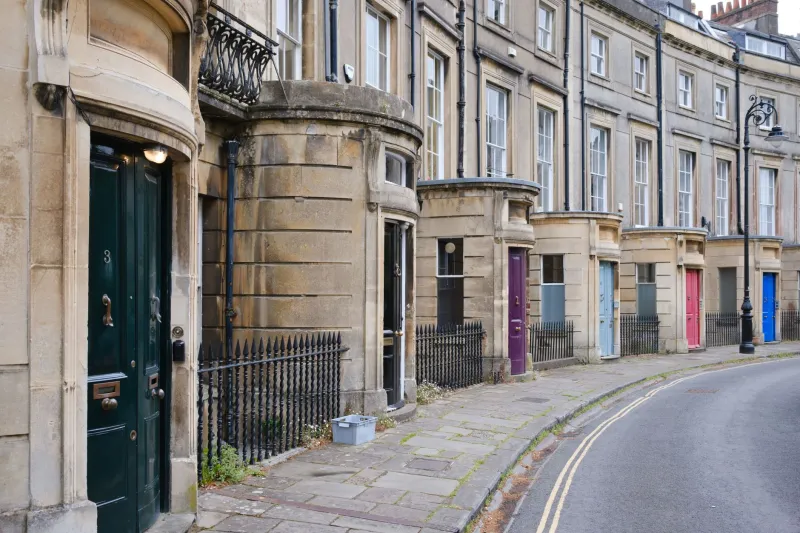
A conservation area is not the same as a listed building, and neither is the same as a house with an Article 4 direction attached. Conservation areas protect the overall character of a neighbourhood, so external alterations may need planning permission even where you might expect permitted development rights. An Article 4 direction can remove some of those rights specifically, which is why two similar houses on the same street can face different rules. Listed buildings are stricter again: listed building consent is normally needed for alterations that affect character, and windows are rarely a minor detail in that assessment.
Before you compare a single frame, check the property's designation with the local authority. Ask whether an Article 4 direction applies to your address, and ask for the conservation area appraisal if one exists. It often explains what the council values about windows in your street: sash proportions, slim profiles, particular glazing-bar layouts or traditional materials. That document is dull in the way a good map is dull. It tells you where you are.
Timber: the safe pair of hands, not automatically the only answer
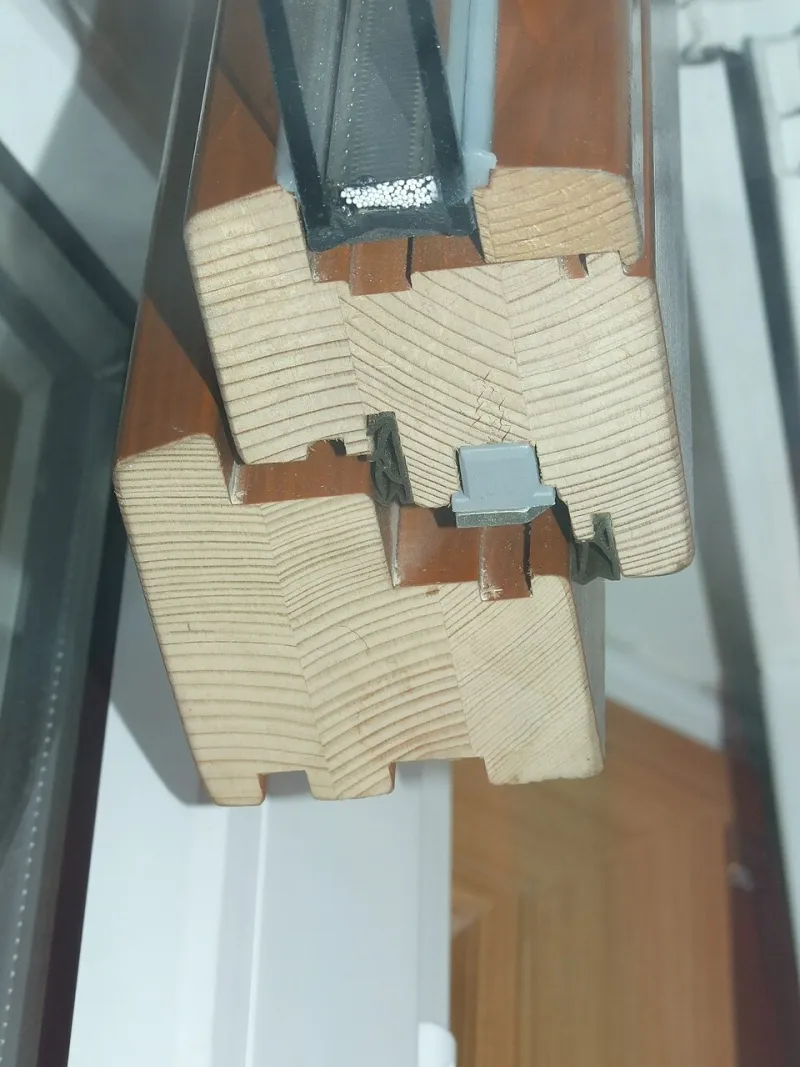
Timber is often the default expectation in protected homes, and for good reason. It suits period openings, can be repaired rather than replaced, and takes detailed profiles well. A well-made timber sash or casement can match original sightlines closely, and the material is familiar to conservation officers. If your home still has original timber windows, repairing and upgrading them may be the best route of all. Draught-proofing, secondary glazing and careful repair can improve comfort without throwing away fabric that gives the house its character.
That does not mean timber is a blank cheque. A chunky modern timber frame with the wrong glazing bars can look just as out of place as any other material. Compare section sizes, joint details, sill profiles and how the frame sits in the reveal. If you are replacing rather than repairing, ask for a like-for-like drawing, not just a brochure photo.
uPVC: possible, but the details do the heavy lifting
It is a myth that uPVC is always banned in conservation areas. It is also a myth that any uPVC window will sail through approval. The material is not the only issue; the appearance is. A slim-profile uPVC sash with properly proportioned glazing bars, a traditional putty-line look and a suitable finish can sometimes be acceptable, especially where the originals have already been lost. A bulky casement with wide frame sections and fussy mouldings is much harder to justify.
uPVC tends to be the value option, and that matters. But in a protected home, the cheapest quote can become expensive if it cannot be approved or if it undermines the look of the elevation. Ask the installer for examples of approvals in your local authority area, not just examples from three counties away. Look at the window from the street, because that is where the planning argument usually happens.
Aluminium: slim sightlines, with a caveat
Aluminium has a clear selling point in protected homes: strength. Slim frames and narrow sightlines can mimic traditional metal windows or sit comfortably in some later buildings, and modern thermal breaks have made aluminium a far better energy performer than its reputation suggests. In the right setting, it can be a neat solution, particularly for large openings or contemporary additions to a historic building.
But aluminium is not automatically a heritage match. The finish, the profile and the depth of the frame all matter. Powder-coated aluminium can look too crisp and flat against old brickwork, and some systems are designed for modern construction rather than period reveals. If the conservation officer is expecting painted timber, a shiny aluminium frame may raise questions even if the proportions are right.
Glazing bars and the pattern problem
Glazing bars are where many window comparisons fall apart. A bar is not just a decorative line; it changes the rhythm of the whole elevation. Count the panes, check the bar thickness, note whether the bars sit inside the glass unit or on the face, and look at how the top and bottom sashes line up. In a sash window, the meeting rail and the horn details matter too. Getting the pattern close but not quite right can look worse than a simpler window that is honestly modern.
Take photos of neighbouring windows that are original or already approved. Measure the visible glass areas if you can. Then compare those proportions with the sample you are being quoted. A good installer will redraw the elevation rather than ask you to imagine it.
Energy upgrades without harming the fabric
Energy efficiency is a fair goal in a protected home, but it has to work with the building. Thicker double-glazed units can mean deeper rebates or altered profiles, which may affect the look and the approval. Slim double glazing, secondary glazing or refurbishment of existing timber frames may be more appropriate than a standard replacement unit. Ventilation matters too: older buildings need to manage moisture, and sealing every gap without a plan can create condensation problems elsewhere.
Compare thermal performance figures, but do not let a U-value headline overrule the planning detail. In a listed building, the consent is not a formality, and in a conservation area, the street view is part of the product.
A checklist to run before you sign
- Confirm whether the property is in a conservation area, is listed, or has an Article 4 direction.
- Ask the local authority whether planning permission or listed building consent is needed for your specific proposal.
- Request pre-application advice if the answer is unclear or the building is listed.
- Get the conservation area appraisal and any design guidance in writing.
- Ask your installer for elevation drawings, section details and glazing-bar patterns.
- Check samples against the street, not just against your sofa.
- Confirm who is preparing and submitting the application, and whether fees are included.
- Do not place a final order or allow installation until consent is granted in writing.
- Keep a record of approved drawings and any conditions attached to the permission.
The bottom line
In a protected home, the best window is not simply the one with the best brochure or the lowest quote. It is the one that satisfies the planning rules, respects the elevation and improves comfort without pretending the building is something it is not. Timber, uPVC and aluminium can all have a place, but only when the details match the constraints. Compare the paperwork as carefully as the glass, and you will have a much calmer install.